Showing posts with label weight gain. Show all posts

Are you using exercise as an excuse to eat more?


Unfortunately, exercise does not burn as many calories as we might think. What you may not realize is that thirty minutes on the elliptical, for example, cancels out only one Reese’s Peanut Butter Cup.

Key to weight loss is to EAT SMALLER PORTIONS at least 6 times a day!  Make an effort to control your desire for junk food by eliminating it entirely.

If you’re training for a sporting event, you may need to eat more to fuel your workouts—otherwise, consider regular exercise a keep-it-in-check tool, not a free pass to eat whatever you want.

Fuel your body with healthy eating.  The right combination of proteins, complex carbohydrates, fruits and vegetables—as well as adequate hydration with water—can also add a kick to your energy levels.

While cardio exercise won’t completely burn away a weekend binge, it does benefit health by increasing energy and lowering your risk for heart disease.

Stress Can Cause Weight Gain & Effect Your Health Here's How.


Today’s life is faster than ever, filled with constant change, uncertainty and stress.


Because of the constant demands placed on us at work, at home, or we may really be in danger, our bodies respond like we're about to be harmed and need to fight for our lives. Our bodies respond to this need with a burst of energy, shifts in our metabolism, blood flow, and other changes.


STRESS not only affects your weight, but your health.


The stress hormone called cortisol is one of the reasons. While under stress, the fight or flight response is triggered in our bodies, leading to the release of various hormones.


We've known for a long time that depression and chronic pain are closely related in many ways. Both conditions share some of the same underlying biochemistry (related to stress hormones such as cortisol and inflammatory compounds such as cytokines) and people with depression tend to experience more episodes of chronic pain (and vice versa). Indeed, physical pain can undoubtedly make psychological pain (depression) worse - likely due to the finding that inflammation is known to worsen and perhaps evencause depression in many people. You might find it interesting to know that cytokines (inflammatory hormone-like chemicals produced in the body)


Conventional wisdom would suggest that controlling depression might also help to control pain - and that reducing pain would help to alleviate depression. However, the research findings in the PNAS article suggest that painkiller drugs may actually interfere with the activity of antidepressant drugs - potentially making depression worse.


4 ways Chronic stress can raise cortisol levels which contribute to weight gain and effect your health are:

Metabolism -- Too much cortisol can slow your metabolism, causing more weight gain than you would normally experience. This also makes dieting more difficult.

Blood Sugar -- Prolonged stress can alter your blood sugar levels, causing mood swings, fatigue, and conditions like hyperglycemia. Too much stress has even been linked to metabolic syndrome, a cluster of health concerns that can lead to greater health problems, like heart attacks and diabetes.

Fat Storage -- Excessive stress even affects where we tend to store fat. Higher levels of stress are linked to greater levels of abdominal fat. Unfortunately, abdominal fat is not only aesthetically undesirable, it’s linked with greater health risks than fat stored in other areas of the body.

If you remain in the state of chronic stress for a long period of time your health becomes at risk. One being high blood pressure, a potentially dangerous health condition.
“Stress can actually cause weight gain, particularly around the tummy,” Why? Because physical and emotional stress activates the release of cortisol, a steroid that slows metabolism


When your body is under the stress response, your cortisol and insulin levels raise. These two hormones tend to track each other, and when your cortisol is consistently elevated under a chronic low-level stress response, you’ll likely notice that you have difficulty losing weight or building muscle.


Food Cravings -- People experiencing chronic stress tend to crave more fatty, salty and sugary foods. This includes sweets, processed food and other things that aren’t as good for you. These foods are typically less healthy and lead to increased weight gain.

Other Ways Stress and Weight Gain are connected.

Emotional Eating – Not only can increased levels of cortisol make you crave unhealthy food, but excess nervous energy can often cause you to eat more than you normally would. Have you ever found yourself scouring the kitchen for a snack, or absently munching on junk food when you’re stressed, but not really hungry?

Fast Food -- One of the big reasons we’re seeing more obesity in our society today is that people are too stressed and busy to make healthy dinners at home, often opting to get fast food a the nearest drive-thru instead.

Too Busy to Exercise -- With all the demands on your schedule, exercise may be one of the last things on your to-do list. If so, you’re not alone. Americans live a more sedentary lifestyle than we have in past generations, yet our minds seem to be racing from everything we have to do. Unfortunately, from sitting in traffic, clocking hours at our desks, and plopping in front of the TV in exhaustion at the end of the day, exercise often goes by the wayside.

Today’s so-called solutions including prescription drugs, energy drinks, coffee, etc. aren’t combating the problem, they’re compounding the problem.
Fortunately, there are things you can do to reverse the pattern of weight gain and actually reduce your stress level and waistline at the same time. I recommend you take a yoga class 3 times a week, meditation on a regular basis and lots of good deep breathing.

A natural solution without side effects, Eleviv is NOT A DRUG
Learn more about Eleviv click here.

Eleviv is a combination of 4 herbs that work synergistically together to bring your body back into balance. Not a false energy, like many energy drinks or stimulants Under Stress Your Cortisol and Insulin Levels Raise.

Don't be fooled by miracle weight loss, magic pill, etc. No Quick Fix to Weight Loss,

“There is no quick fix”.


Overeating brings fat and fat brings regret and makes us feel less about ourselves. Feeling this regret can then bring extra efforts and most possibly over training with all its consequences. It's a kind of a vicious circle.  Learn to control your food intake.

The most important thing you can do is to "believe in your self, believe in the process, stay the course, and you will look the best you ever looked before!"


8 important things you can do daily for your good health.

1. Drink plenty of water.

2. Don’t skip breakfast.

3. Eat more foods that grow on trees and plants, eat less food that is processed and manufactured.

4. Live with the 3 E's -- Energy, Enthusiasm and Empathy

5. Sit in silence for at least 10 minutes each day

6. Sleep for 7 hours.

7. Take a 10-30 minutes’ walk daily.

8. Smile more!

What are the Energy Drink Dangers?

Do You Know Anyone That Uses Energy Drinks, Caffeine or Other Stimulants to "GET GOING"?

The caffeine that is found in energy drinks is dangerous enough on its own. Not only is caffeine addictive, it acts as both a stimulant and a diuretic. As a stimulant, caffeine can make you have anxiety attacks, heart palpitations, and insomnia.

There are two things that must be kept in mind when we are talking about the side effects of the energy drinks.


Side effects are caused by the combination of the ingredients used for making the drink. The Monster energy drink is also made of a certain combination.

This combination consists of carbohydrates that can cause the body absorption of nutrients and food into the bloodstream to become more difficult. This means that the person drinking too much of the energy drink can encounter gastrointestinal issues.

Second, not only nutrients are harder to be absorbed in the body, but also the fluids. This means that hydration cannot be made at the optimal rate, also causing health problems. This hydration issue must concern especially athletes, whose bodies lose an important quantity of water during training. They should be careful about the intake of this energy drink, especially since it is designed for them.

The Monster energy drink is also rich in sugar. Once in the body, the product brings a lot of sugar, which is transferred into the bloodstream. When the effect of the energy drink wear off and the sugar level in the blood drops, this can be quite visible and the person consuming the product can feel it quite well. Also, some laxative effect can occur.

Other side effects of the Monster energy drink is strongly related to the caffeine it contains.

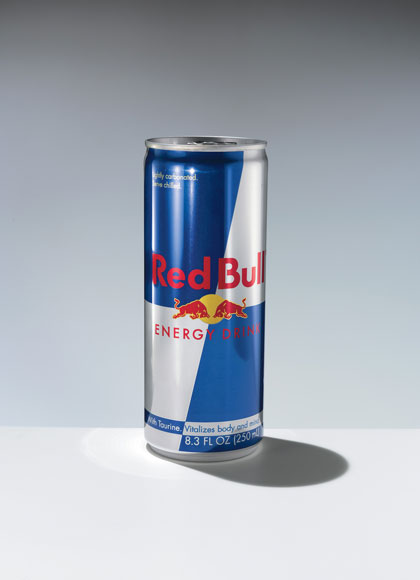
Red Bull Can Give You a Stroke This Report May Surprise You!

It Did Me! Just one can of the popular stimulant energy drink
Red Bull can increase your risk of heart attack or stroke.

The effect was seen even in young people. The caffeine-loaded beverage causes blood to become sticky, a pre-cursor to cardiovascular problems such as stroke.

One hour after drinking Red Bull, your blood system becomes abnormal,
as might be expected from a patient with cardiovascular disease.


Red Bull is banned in France,  Norway, Uruguay and Denmark because of health risks. Energy drinks have been popping up all over supermarket and convenience store shelves in recent years, and have overtaken bottled water as the fastest-growing category in the beverage business.

No less than 3.5 billion cans of Red Bull were sold last year in 143 countries. Yet questions regarding the safety of Red Bull, as well as other energy drinks, keep cropping up at regular intervals.

Science Daily Reports that:


A ten-year study showed that girls who drank soda at age five had diets that were less likely to meet nutritional standards for the duration of the study, which ended at age 15.  Girls who did not drink soda at age five did not meet certain nutritional requirements, but their diets were healthier. 
Read the full report here.

10 Major Reasons Why People Do Not Lose Weight

1.  Eating too much. If you finish what’s on your plate and then the plates of others, or if you always have seconds, you’re in trouble. It takes about 20 minutes for your brain to receive the signal that your stomach is full, so stop eating before you’re full and wait at least 10 minutes before having seconds.

2.  Portion distortion. Maintaining a healthy weight means eating the right foods in the right amounts. You’ll save yourself a lot of calories and a few pounds.

3.  Drinking your calories. Beer, soda, and energy drinks have no nutritional value and can cause dehydration.

4.  Snacking on unhealthy foods. Food is fuel for your body. Treat your body like the amazing machine that it is.

5.  Eating late at night. Late night Hagen-Dazs binges are not going to help that expanding mid-section. If you must have a late night snack, consider healthy alternatives like almonds and fruit.

6.  Not eating breakfast. A quick and easy breakfast that is a combination of carbohydrates and protein is all you need. Oats, Whole Grains Steel Cut Oats, Egg whites (with 1 egg yoke) Cottage cheese, fruit, and a slice of whole wheat toast will keep your engine running until your mid-morning snack.

7.  Eating whatever you want.  As an adult, your body’s metabolism has changed significantly from that of the teenager you once were, so you must adjust your caloric intake accordingly. To compute your caloric needs, click here.

8.  Eating processed foods. Too many hotdogs, lunch meats, canned ravioli, and frozen dinners and neither should you. Instead, eat more fruits, vegetables, whole grains, and lean proteins.

9.  Not drinking enough water. Factors such a physical activity and climate increase your water needs.

10.  Not eating enough. Skipping meals or not eating enough at meals, leads to overeating later. Eating five to six small meals a day, spaced two to three hours apart is really the healthiest way to eat.

Inflammation, silent killer. Learn how it can affect your health.

How do you know if you have inflammation?

11 symptoms associated with low-grade chronic inflammation.
• body aches and pains
• congestion
• frequent infections
• diarrhea
• dry eyes
• indigestion
• shortness of breath
• skin outbreaks
• swelling
• stiffness
• weight gain/obesity

One of the main reason you put on more weight when you are under  stress is due to a hormone in your body called cortisol.


Cortisol is released in much higher quantities than normal when you are stressed out, which increases your blood pressure and blood sugar level. This can be a major contributor to you gaining weight.


People who are stressed out are not likely to lose weight.  We  don't feel this inflammation yet it gradually damages the ability to gain energy from food consumed. Over time, the inflammation promotes diseases regarding the circulatory system and type 2 diabetes.

Inflammation makes people fat by eating creating wear on the cells causing the cells to become inflamed. When the cells are inflamed, they do not use insulin correctly resulting in weight gain and fat.

The body has natural enzymes that neutralize the free radicals, AGE’s, as well as other damaging substances in the body. The diet rich with processed food damages the body’s natural abilities to remove the hazardous substances leading to the inflammation of the cells and arterioles.

This makes the enzymes fight harder to remove the substances reducing the resistance levels of the body. The body becomes overwhelmed causing people to experience oxidative stress thus leading to the inflammation and weight gain.


To help reduce the possibilities of inflammation reduce the amounts of processed foods consumed. Increase the natural foods of vegetables, lean meats, and fruits. A healthy diet will reduce the changes of the inflammation and excessive weight gain. Diets rich in natural whole grains, fruits, and vegetables also helps to promote weight loss by removing the processed foods that lead the body to storing additional fat and other damaging substances.


Dozens of pharmaceutical drugs have been developed to override the inflammatory cascade, and many more are in the pipeline. NSAIDs (nonsteroidal anti-inflammatory drugs) like Motrin and Aleve disrupt the production of prostaglandins, which are needed to regulate inflammation, constrict or dilate vessels, and much more. Corticosteroids like prednisone, COX-2 inhibitors like Vioxx and Celebrex, and antihistamines each shut down a different inflammatory mechanism, leading to further long-term risks in the body.

The mangosteen fruit is a powerful natural anti inflammatory. A natural solution without negative side effects. Mangosteens are grown in Southeast Asia and have been used for centuries in healing.

Personally I drink Xango 3 times a day!  It's a powerful known anti inflammatory that got me off of ibrupofen a few years ago I won't go a day without it.  Xango is the only mangosteen juice on the market that uses the whole fruit puree, rind and pericarp of the mangosteen which has xanthones with science and research to back it up.  Learn more about Xango here.