Do You Know Anyone That Uses Energy Drinks, Caffeine or Other Stimulants to "GET GOING"?
The caffeine that is found in energy drinks is dangerous enough on its own. Not only is caffeine addictive, it acts as both a stimulant and a diuretic. As a stimulant, caffeine can make you have anxiety attacks, heart palpitations, and insomnia.
There are two things that must be kept in mind when we are talking about the side effects of the energy drinks.
Side effects are caused by the combination of the ingredients used for making the drink. The Monster energy drink is also made of a certain combination.
This combination consists of carbohydrates that can cause the body absorption of nutrients and food into the bloodstream to become more difficult. This means that the person drinking too much of the energy drink can encounter gastrointestinal issues.
Second, not only nutrients are harder to be absorbed in the body, but also the fluids. This means that hydration cannot be made at the optimal rate, also causing health problems. This hydration issue must concern especially athletes, whose bodies lose an important quantity of water during training. They should be careful about the intake of this energy drink, especially since it is designed for them.
The Monster energy drink is also rich in sugar. Once in the body, the product brings a lot of sugar, which is transferred into the bloodstream. When the effect of the energy drink wear off and the sugar level in the blood drops, this can be quite visible and the person consuming the product can feel it quite well. Also, some laxative effect can occur.
Other side effects of the Monster energy drink is strongly related to the caffeine it contains.
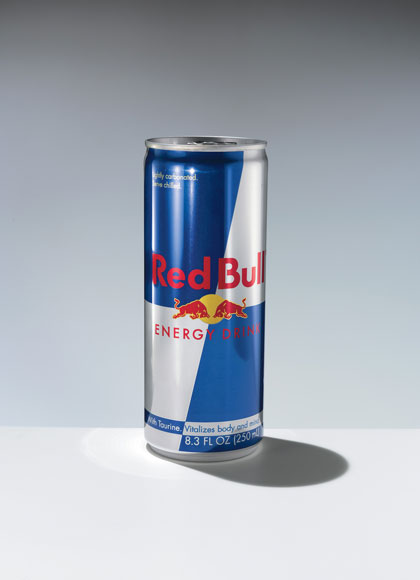
 Red Bull Can Give You a Stroke This Report May Surprise You!It Did Me!
 Just one can of the popular stimulant energy drink
Red Bull can increase your risk of heart attack or stroke.
The effect was seen even in young people. The caffeine-loaded beverage causes blood to become sticky, a pre-cursor to cardiovascular problems such as stroke.
One hour after drinking Red Bull, your blood system becomes abnormal,
as might be expected from a patient with cardiovascular disease.
Red Bull is banned in France, Norway, Uruguay and Denmark because of health risks. Energy drinks have been popping up all over supermarket and convenience store shelves in recent years, and have overtaken bottled water as the fastest-growing category in the beverage business.
No less than 3.5 billion cans of Red Bull were sold last year in 143 countries. Yet questions regarding the safety of Red Bull, as well as other energy drinks, keep cropping up at regular intervals.
Science Daily Reports that:A ten-year study showed that girls who drank soda at age five had diets that were less likely to meet nutritional standards for the duration of the study, which ended at age 15. Girls who did not drink soda at age five did not meet certain nutritional requirements, but their diets were healthier. Read the full report here.